
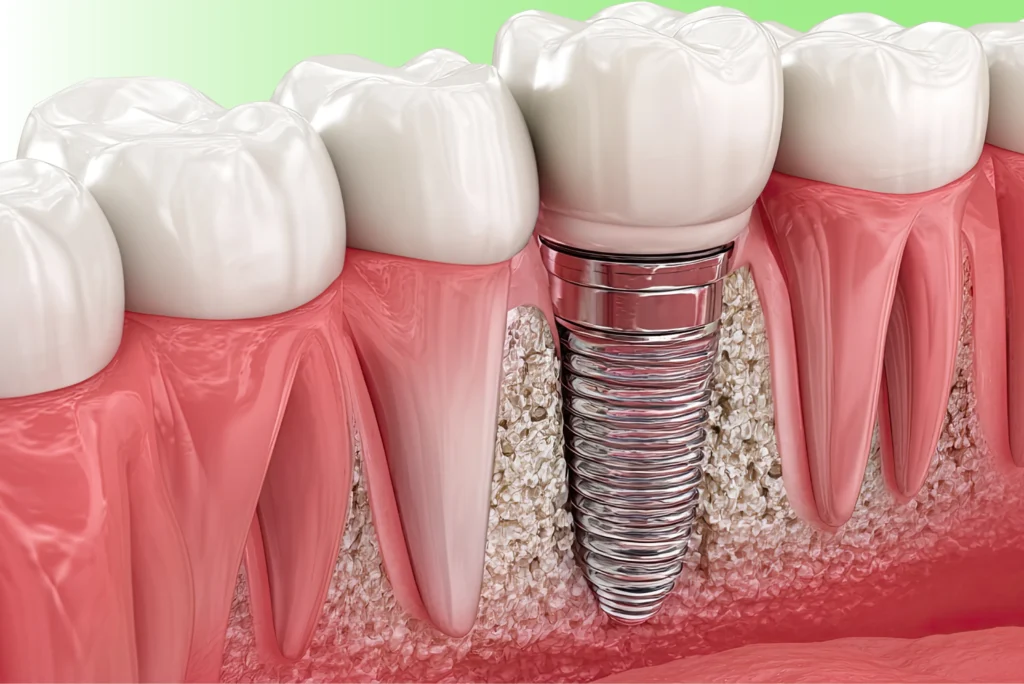
Both the success of your implant operation and your oral health may be endangered by an infected dental implant. Peri-implant infection or peri-implantitis are other names for this illness. It occurs when the tissues around the implant are inflamed by dangerous germs. If left untreated, it may result in implant failure and bone loss.
The good news? You may frequently save the implant and restore the health of your gums if you receive early assistance and the proper care. Let’s examine the most effective approaches to this problem.
What does an infected dental implant mean?
The gums and bone that support the implant may enlarge if bacteria accumulate around the implant site. We refer to this as an infected dental implant. This frequently occurs in individuals who have dental implants but neglect to maintain proper care thereafter. Infections in implants are not the same as infections in real teeth because they don’t always hurt at first and can get worse over time if they aren’t treated
Signs that a dental implant is infected
- Constantly swollen or red gums
- Bleeding near the implant
- Persistently bad breath
- Pus emerging from the implant’s surrounding area
- Implant looseness
- Chewing Pain
If you ignore these signs, your bone damage may worsen.
The main reasons for dental implant infections
- Poor dental hygiene
- Smoking and tobacco use
- Uncontrolled diabetes
- Positioning the implant incorrectly
- Remaining cement from crowns
- Insufficient bone mass
- Subsequent care
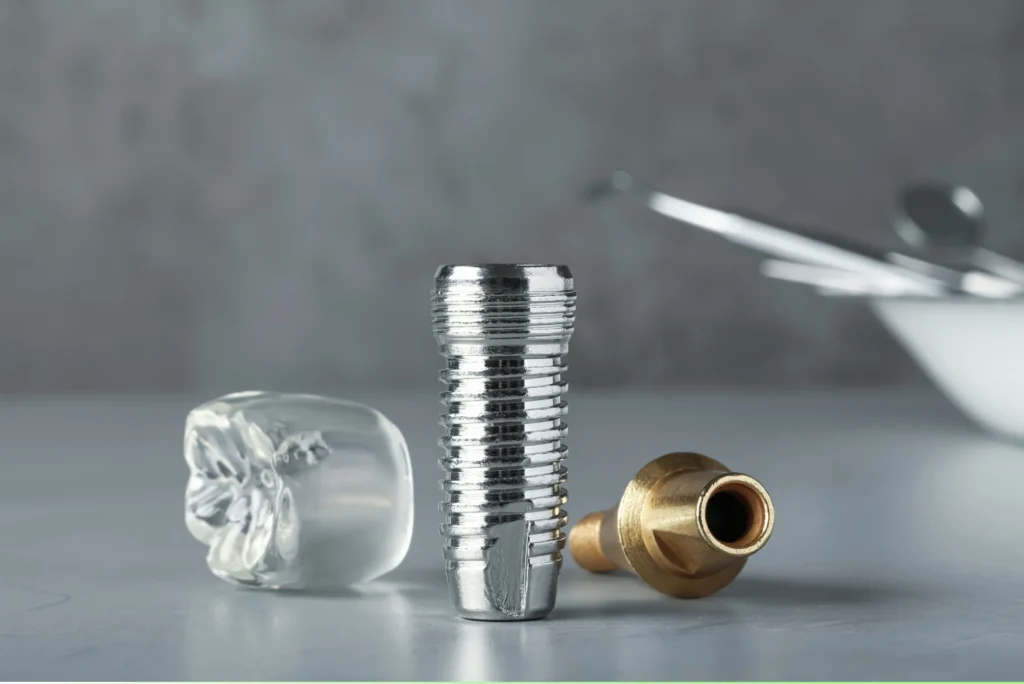
Five effective ways for preserving an infected dental implant
1. Expert Cleaning and Decontamination of Implants
Mild infections can frequently be controlled with specialized implant cleaning. To eliminate bacteria without damaging implant surfaces, dentists employ laser therapy, antimicrobial rinses, and ultrasonic instruments.
Ideal for: Early-stage infection without bone loss.
2. Treatment with antibiotics (oral or local)
Antibiotics targeting specific microorganisms aid in reducing their quantity. Depending on the severity of the illness, dentists may administer oral drugs or apply antibiotic gels directly into gum pockets.
Important: Antibiotics aid in the effectiveness of other therapies, but they cannot treat advanced infections on their own.
3. Deep Gum Treatment (Scaling Around Implants)
Bacteria and plaque that have solidified beneath the gum line are eliminated by this process. It stops bacteria from spreading further and encourages tissue recovery.
As a result, there is less oedema and the implant is healthier.
4. Cleaning up after surgery and making new bone
Surgery is necessary for those with advanced infections that result in bone loss. In addition to cleaning the implant surface and lifting the gum tissue, the dentist may employ membranes or bone grafts to aid in the body’s healing process.
The objective is to restore the bone support and prevent the implant from shattering.
5. Taking out and replacing the implant
The implant must be removed if the infection has severely damaged the surrounding tissues and bone. After the bone has healed and grown back, a new implant could be placed.
Although it is uncommon, this choice does safeguard general oral health.
After therapy, how long will it take for me to feel better?
- One to three weeks of non-surgical care
- Six to twelve weeks following the procedure
- Following a bone graft, recovery takes three to six months.
Clinical examinations and follow-up imaging allow dentists to monitor healing.
How to Prevent Infection of Your Dental Implant
- Make sure your mouth is clean every day.
- Visit the dentist for routine examinations. Avoid using tobacco products.
- After surgery, pay close attention to the instructions.
- Adhere to expert schedules for implant cleaning
- Attend to any existing health issues you may have.
When is the best time to visit the dentist?
- A lot of swelling
- The implant’s movement
- Pus discharge
- Unstoppable bleeding
- A fever or facial pain
- Implant longevity is increased by early intervention.
Frequently Asked Questions
1. Is it possible to save an infected dental implant?
Yes, early-stage infections are frequently curable without removing the implant.
2. Does an implant infection cause pain?
Not every time. Regular checkups are crucial since certain infections worsen without any symptoms.
3. How frequently do dental implant infections occur?
Only a small percentage of implant recipients experience peri-implant infections, according to studies. This is typically the result of other risk factors or improper maintenance of their implants.
4. Does smoking cause an infection in an implant?
Yes, smoking increases your risk of illness and delays your recovery.
Final Thoughts
It’s not always the case that an infected dental implant will shatter. Many implants can be saved if they are discovered early, properly cared for, and handled by a specialist. You can safeguard your health and the money you spend on dental care if you take prompt action.
To schedule your dental appointment, give us a call at 9877367774. Our team of top dentists in Chandigarh will answer all of your questions about your smile and provide the best treatment available.
0 comments on “Infected Dental Implant? Proven Treatment to Save It Quickly”